


¡Haz un regalo a la Colaboración Periodística para mantener informada a nuestra comunidad!
Por Chidalu Nnorukah, Matthew Studier, Sasha Wilson y Tabassum Sayeka Tarannum
Esta historia ha sido producida por un equipo colaborativo de estudiantes del Community-Engaged Digital Storytelling (CEDST) Lab de la Western Michigan University. Es un proyecto conjunto con el Colaboración Periodística del Suroeste de Michigan y su proyecto de información sobre desarrollo comunitario equitativo.
Panadería Sarkozy nunca ha existido aislada de la comunidad que la rodea. Fundada en 1978 por Judy y Ken Sarkozy, la panadería de Kalamazoo se construyó sobre la creencia de que la comida, el trabajo y la comunidad son inseparables. A lo largo de los años, esa filosofía ha dado forma al funcionamiento de la panadería, desde la forma en que elabora el pan hasta la manera en que apoya a sus empleados y a la comunidad que la rodea.
La panadería Sarkozy demuestra su compromiso de varias maneras. Como el pan y la bollería de Sarkozy no contienen conservantes, se ponen rancios rápidamente. En lugar de desecharlos, la panadería dona diariamente el pan y la bollería no vendidos a refugios locales y organizaciones de ayuda alimentaria.
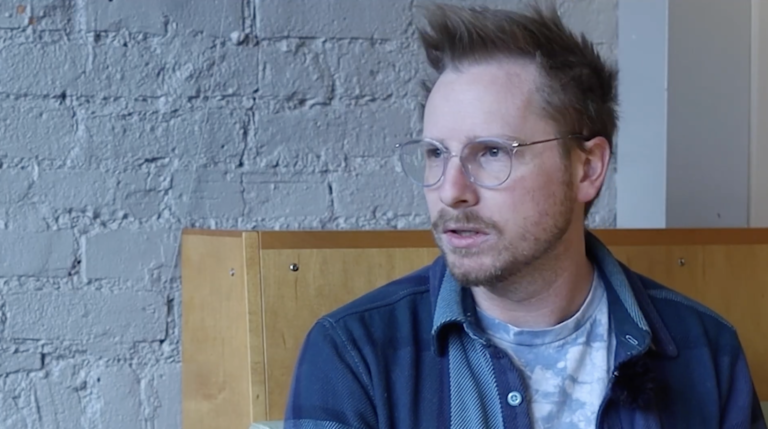
“Intentamos reducir al mínimo el desperdicio de alimentos. Nuestro pan va a la Ministerio para la Comunidad y Panes y Peces varias veces a la semana, y nuestros pasteles todos los días al Ministerio de la Comunidad, o la gente de la comunidad puede apuntarse y recoger estos pasteles al final del día para reuniones o funciones de grupo”, dice Alec Wells, copropietario.
Sarkozy también contrata a ex presidiarios, pues sus propietarios creen que la dignidad humana existe independientemente de los errores del pasado. “Deben ser tratados como cualquier otra persona que entre por esa puerta”, dice Wells.
Los primeros años
Antes de establecerse en Kalamazoo en los años 70, Judy y Ken Sarkozy, originarios de Detroit, buscaron una ciudad con un fuerte sentido de comunidad y una estrecha conexión con los alimentos y los agricultores. Kalamazoo destacaba por su población unida y su respeto por la agricultura local.
Según Wells, la pareja creía que “los problemas de Kalamazoo tenían más solución que los de otras ciudades que estaban comprobando”.
“Así que al venir aquí con ese sentido de enfoque comunitario en mente, Judy y Ken quisieron naturalmente implicarse con la comunidad. Ha tenido mucho impacto en mucha gente de aquí en un sentido comunitario”, dice Wells.
Contar con la comunidad para sobrevivir y prosperar
La relación entre la Panadería Sarkozy y Kalamazoo siempre ha sido recíproca. “La panadería ha sobrevivido realmente gracias a ese sentido de comunidad en Kalamazoo. Ha habido épocas en las que el personal era escaso, y la gente se ofrecía voluntaria para trabajar aquí. Hubo épocas de escasez de dinero, y la gente colaboró para comprar un nuevo calentador de agua”, cuenta Wells.
Esta relación se hizo más evidente tras el infame suceso de 2011, cuando la panadería quemó el local original, y Judy y Ken estaban dispuestos a colgarlo.
En aquel momento llevaban 35 años dirigiendo la panadería. Pero los habitantes de Kalamazoo tenían otras ideas, y organizaron varias recaudaciones de fondos. “Ella [Judy] no lo organizó, y Ken tampoco. La principal razón por la que la panadería vuelve a estar abierta hoy es ese tipo de compromiso comunitario”, afirma Wells. “Así que, aunque directa e indirectamente hemos tenido un impacto en la comunidad, la comunidad tiene un impacto aún mayor en nosotros”, afirma.
El experimento de 32 horas
Internamente, la panadería también ha reimaginado cómo puede ser el trabajo en la industria alimentaria. En los últimos años, Sarkozy Bakery ha puesto en práctica lo que ellos llaman el “experimento de las 32 horas”, una semana laboral de cuatro días sin reducción salarial. La idea surgió después de que Judy se tomara por primera vez un fin de semana de tres días cuando tenía 80 años y volviera renovada, queriendo que el personal experimentara el mismo equilibrio.
La reacción inicial de Wells fue “guay, eso suena imposible”, porque la panadería contaba con trabajadores por horas que estaban allí para ganar dinero. La idea era sencilla pero arriesgada: mejorar la conciliación de la vida laboral y familiar manteniendo un negocio sostenible. “Sobre el papel, no podíamos permitírnoslo”, admite Wells.
Sarkozy les proporcionó un aumento salarial para compensar la reducción de horas y equipararlas a lo que ganaban con 40 horas semanales.
Los resultados fueron transformadores. Aumentó la retención del personal, mejoró la eficiencia y el experimento se hizo permanente. “Lo llamamos el experimento de las 32 horas, que fue hace cuatro años; en realidad ya no es un experimento”, dice. “Es simplemente nuestra forma de funcionar”.
Los empleados dicen que el cambio ha transformado su experiencia en el trabajo. “Me siento muy cuidado”, dijo Jack, encargado de la panadería. “El hecho de que den prioridad a tener una semana laboral de cuatro días y a mejorar la salud física de todos me hace sentir que quiero dedicar ese poco de trabajo extra. Está muy centrado en la salud mental y física de los empleados, y lo aprecio mucho”, afirma.
Kyuu, panadero de Sarkozy Bakery, compartió una perspectiva similar. “Es increíble, no sólo que me suban el sueldo, sino también que me digan que tengo que trabajar un día menos a la semana. Me ha dado más tiempo para trabajar en otros proyectos que no he terminado. Aquí me siento atendido”, dijo. “Estoy muy contenta de estar aquí. No sabía que las pequeñas empresas pudieran prosperar tanto, y es muy refrescante vivir en un lugar donde es así.”
La Panadería Sarkozy es algo más que pan o negocio. Es una prueba de la importancia de la comunidad. Se trata de un lugar donde la atención fluye en ambas direcciones, donde una panadería alimenta a una ciudad, y una ciudad, a su vez, mantiene viva a una panadería. En una industria a menudo definida por el agotamiento y los accidentes, Sarkozy es un ejemplo de lo que es posible cuando el trabajo, la ética y la comunidad son inseparables.