


¡Haz un regalo a la Colaboración Periodística para mantener informada a nuestra comunidad!
Por Chidalu Nnorukah, Matthew Studier, Sasha Wilson y Tabassum Sayeka Tarannum
Esta historia ha sido producida por un equipo colaborativo de estudiantes del Community-Engaged Digital Storytelling (CEDST) Lab de la Western Michigan University. Es un proyecto conjunto con el Colaboración Periodística del Suroeste de Michigan y su proyecto de información sobre desarrollo comunitario equitativo.
Tras salir del hospital, David Blair se dio cuenta de que no podía volver a un trabajo normal de 40 horas. Aún convaleciente de una grave enfermedad, necesitaba una forma de ganarse la vida a su propio ritmo. Recurriendo a la experiencia de su familia vendiendo en mercados de agricultores, Blair puso en marcha una panadería y un negocio de sirope de frutas.
Pero convertir una idea en un negocio viable requería orientación, que encontró a través de la organización sin ánimo de lucro Can-Do Kalamazoo, con sede en Kalamazoo. Blair se unió al programa de 12 semanas de la organización, donde recibió apoyo para ampliar sus operaciones y planificar la expansión. “Fue un gran punto de partida”, dijo. “Si no sabes adónde ir, te ayudan a averiguarlo”.
Blair es una de las muchas empresarias apoyadas por Can-Do Kalamazoo, una organización sin ánimo de lucro que ayuda a los propietarios de pequeñas empresas a pasar del concepto al lanzamiento mediante espacio de cocina compartido, programas de formación y tutoría. Para muchos propietarios de pequeñas empresas, encontrar un espacio comercial asequible es un gran reto.
Casi el 50% de las pequeñas empresas funcionan en casa de sus propietarios, a menudo porque alquilar o arrendar un espacio es demasiado caro (The Zebra, 2026). Los elevados gastos generales, incluido el alquiler, siguen siendo una de las principales razones por las que las pequeñas empresas luchan por sobrevivir. Según The Zebra, más del 50% de las pequeñas empresas fracasan en su primer año.
En Kalamazoo, Michigan, una organización no gubernamental, Can-Do Kalamazooestá trabajando para aliviar esa carga a los panaderos y empresarios a domicilio. Fundada en 2007 por Lucy Dilley, Can-Do Kalamazoo fue una respuesta a los retos a los que se enfrentan los propietarios de pequeñas empresas alimentarias para conseguir un espacio de oficina. Fundada inicialmente como incubadora de empresas alimentarias, la empresa ha crecido a lo largo de los años para dar apoyo a cualquier tipo de negocio.
Construir un espacio para los empresarios locales
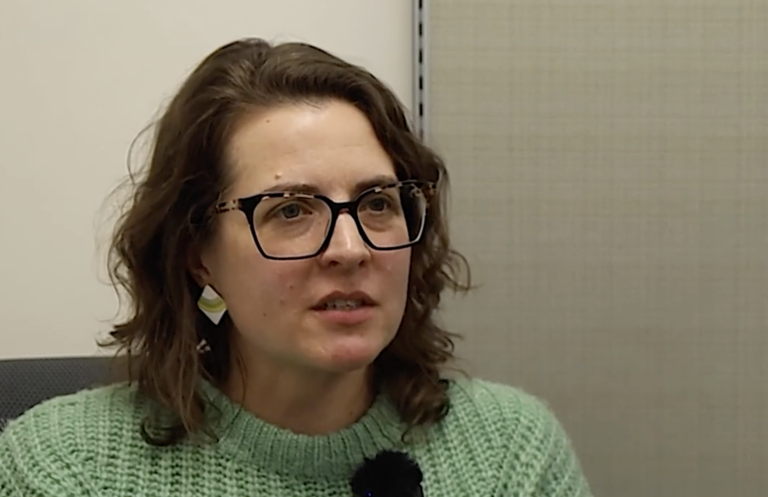
Dilley puso en marcha Can-Do tras darse cuenta de la escasez de recursos y espacio para producir alimentos. “Yo trabajaba en el sistema alimentario local, y había mucha demanda de alimentos elaborados localmente, y había mucha gente que quería elaborarlos, pero no había un lugar donde hacerlo. Eso me dio la idea de construir una cocina compartida que la gente pudiera alquilar y elaborar alimentos que pudieran vender a otros clientes que los quisieran”, dice Dilley.
Can-Do Kalamazoo empezó poco a poco. Al principio, Dilley realizó encuestas en papel para calibrar el interés y puso en marcha un programa piloto utilizando una cocina móvil en remolque a través de una asociación sin ánimo de lucro. Cuando la demanda superó rápidamente la capacidad del remolque, la organización se trasladó a la cocina de una iglesia antes de ampliarse a un programa de incubación completo.
“Empecé poco a poco. Trabajé con una organización sin ánimo de lucro llamada Alianza de Alimentos Ecológicos de Michiganque tenía un remolque que era una cocina, y oí hablar de él y solicité utilizarlo. Lo conseguimos y pusimos en marcha el programa piloto”, dice Dilley. “Rápidamente lo superamos, y encontramos una iglesia que tenía una cocina que quería alquilar a una organización sin ánimo de lucro, y eso encajaba bien”.
De las recetas a la gestión de una empresa
A medida que el negocio crecía, Dilley se dio cuenta rápidamente de que no todo el mundo sabe dirigir un negocio de buenas a primeras. Los propietarios del negocio tenían recetas increíbles y una buena base de clientes, pero no conocían los demás aspectos de la gestión empresarial. En respuesta a esto, incorporó un programa de incubación de empresas para formar a los propietarios de pequeñas empresas sobre cómo dirigir con éxito un negocio.
“Enseguida nos dimos cuenta de que no todo el mundo sabe dirigir un negocio de buenas a primeras. Eran fabricantes y tenían sus deliciosas recetas, pero las otras piezas de la gestión del negocio no estaban necesariamente ahí”, dijo.
La organización empezó a añadir programas, talleres, clases y oportunidades de financiación para ayudar con las habilidades de gestión empresarial y aprender a pasar del concepto al lanzamiento y a la sostenibilidad.
Cultivar primero el postre
Un ejemplo del impacto del programa es El postre primerofundada por Meka Phillips tras ganar una beca Can-Do en 2014. Phillips empezó su negocio mientras trabajaba a jornada completa y fue ampliando su marca hasta abrir una tienda en el centro de la ciudad y contratar empleados al cabo de 10 años.
Can-Do ofreció apoyo a Phillips a través de sus programas, conectándola para que adquiriera experiencia en marketing, creación de marcas y distribución.
“Fue muy persistente”, dice Dilley. “Consiguió su propio local en el centro, en una zona muy bonita de la ciudad. Era precioso, y amplió su menú, lo cual fue complicado, pero hizo un gran trabajo. Es lo bastante grande como para contratar a gente. Está dejando huella”.
Ayudar a las pequeñas empresas a crecer puede crear un efecto dominó. A medida que se expanden, crean puestos de trabajo y abren puertas a otros empresarios. Dessert First es un ejemplo. Al instalar un sistema de horno de ventilación sin campana, una alternativa mucho más barata a las tradicionales campanas de cocina, la propietaria Meka Phillips facilitó que otras pequeñas empresas se plantearan abrir sus propios espacios.
“Las campanas son muy caras de construir, y eso es una gran barrera para mucha gente que intenta entrar en un espacio físico”, dijo Dilley. “Pero ella hizo su magia y consiguió que los inspectores la aprobaran para tener ese tipo de horno. Abrió la puerta a gente próxima que no puede invertir entre 50 y 100 dólares en una campana”, dijo.
Apoyar las nuevas ideas
Hound and Harbor, una empresa de bebidas para perros fundada por Tracy Lyons, es otro ejemplo del impacto de Can-Do Kalamazoo. Tras ser remitida a la organización, Lyons tuvo acceso a tutoría, orientación normativa y conexiones con la industria que le ayudaron a dar forma a su negocio. La conexión la ha llevado a contactar con mentores y formación que la han ayudado a construir su negocio.
“No podría haber pedido un socio mejor que Can-Do Kalamazoo. Me rodearon del apoyo que necesitaba y me dieron herramientas y recursos que no habría tenido de otro modo”, dijo Lyons. Can-Do Kalamazoo fue decisivo para ponerla en contacto con socios de la comunidad y asegurarse de que el negocio cumplía la normativa necesaria.
“Trajeron a los organismos reguladores estatales para que nos orientaran sobre el cumplimiento de la normativa y garantizar que íbamos por el buen camino. También me pusieron en contacto con Depósito del Buen Comercio. No habría conocido Good Trade Depot. Son un socio excelente para las empresas de bebidas”, añadió.
Aún en fase de prelanzamiento, Hound and Harbor ofrece una opción de bebida sana y totalmente natural para perros. La fundadora, Williams, vio el vacío existente en la oferta de bebidas naturales y saludables para perros en el suroeste de Michigan y estaba decidida a colmarlo. Realizó un experimento de grupo con perros, formulando y modificando sus fórmulas para crear opciones de bebidas saludables para perros.
Creó con éxito una bebida natural llamada Coca Cola Clásica, hecha con todos los ingredientes que necesitan los perros. “Trabajé con un grupo de enfoque muy amplio hasta que conseguimos la receta perfecta. Trabajamos estrechamente con alguien que tenía experiencia en Zoetis [empresa farmacéutica para animales] a nivel directivo para garantizar la seguridad de los animales”, dijo.
Lucy Dilley y su equipo de Can-Do Kalamazoo dicen que su objetivo es reforzar la economía local ayudando a crecer a las pequeñas empresas y microempresas. Para ellos, apoyar a los empresarios es construir algo que beneficie a toda la comunidad de Kalamazoo.